
Deep in the rugged heart of northeastern Cambodia, the Northern Plains were once described as the "Serengeti of Southeast Asia," home to great herds of large mammals rivaling the African plains. Most of that has vanished. Siem Pang Wildlife Sanctuary, 133,000 hectares of dipterocarp and semi-evergreen forests interspersed with seasonal wetlands, is one of the last great strongholds. It shelters the world’s largest remaining populations of the Giant Ibis, Cambodia’s national bird, and the White-shouldered Ibis. Three critically endangered vulture species (the White-rumped, Slender-billed, and Red-headed Vulture) also depend on the sanctuary, as do wild cattle, and large waterbirds that have largely vanished elsewhere in Southeast Asia.
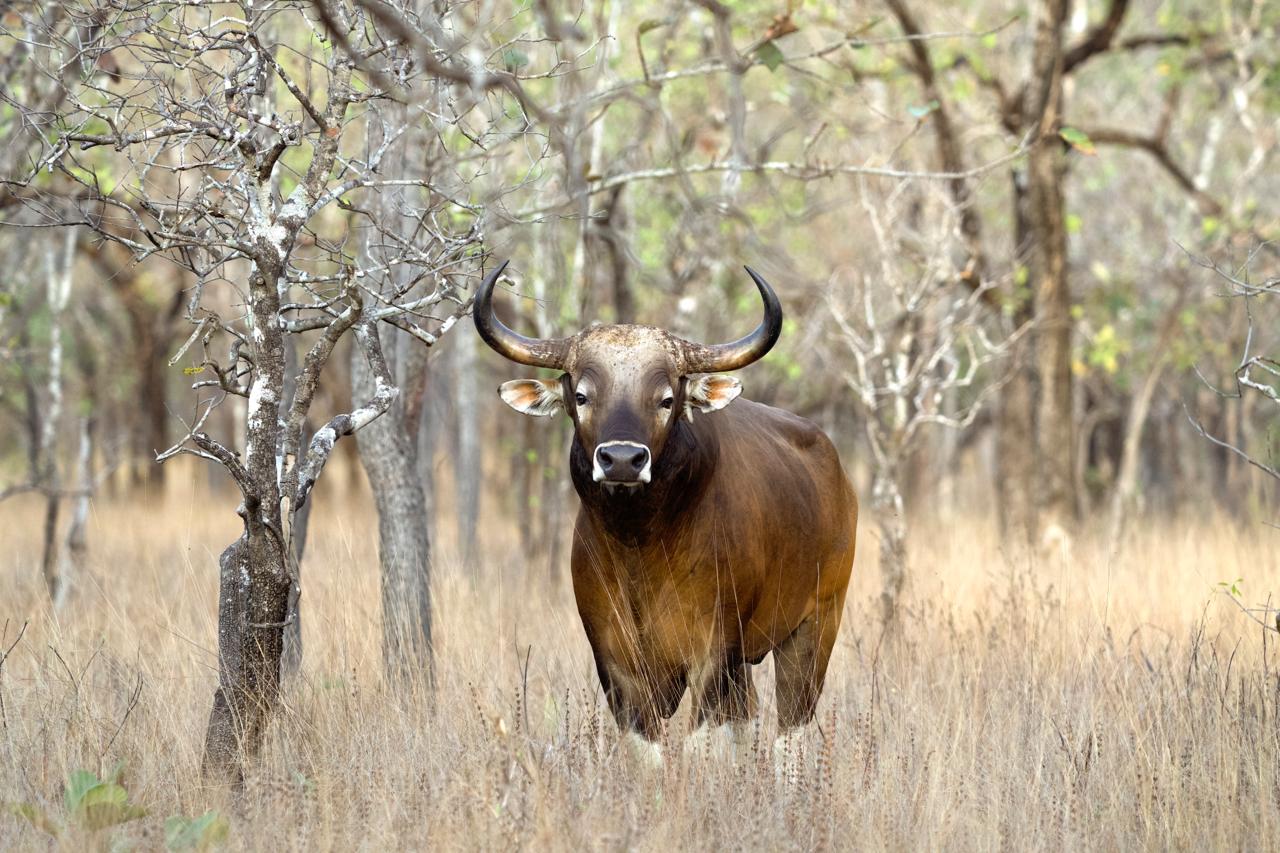
Rising Phoenix manages the sanctuary as a social enterprise, blending rigorous protection with an ambitious rewilding program to restore ecosystem health. Banteng, Gaur, Eld’s deer are returning to the landscape, and Siamese Crocodile, one of Asia’s rarest reptiles, has been reintroduced to its ancestral waters. Protecting and recovering wildlife at this scale demands constant and real-time coordination, and Rising Phoenix uses EarthRanger to bring the moving parts into one operational picture. Vulture tracking data, ranger patrols, deforestation alerts, and camera trap detections all land in the same place, giving the team the insights they can act on.
The day-to-day work runs on a few key integrations.
Vultures carry Ornitela GPS-GSM tags. Their movements feed into EarthRanger in real-time, and the biodiversity team watches for clustering behavior, which often signals a carcass or potential poisoning event. When clusters appear, patrols are sent to investigate. And geofences – invisible fences – around the sanctuary boundary and a designated feeding site help the team know when birds have moved outside the protected area.
%20(2).jpg)
Rangers conduct 10 to 15 patrols per month, recording logging routes, snare removals, and signs of illegal activity through the SMART Mobile app. That data instantly syncs into EarthRanger, where managers review, identify poaching hotspots, and plan the next round of patrols. The snare numbers tell a clear story: 4,000 removed in the first year of focused effort, 2,000 in the second, and 1,600 most recently. The trend points to a sanctuary under steadier watch.
Global Forest Watch deforestation alerts feed in alongside everything else, helping the team respond to forest clearance before damage spreads. Satellite imagery rounds out the view from above. Each layer adds context and incremental information; the more data flows in, the more important it becomes to have tools that help turn data into information a team can act on quickly.
%20(3).jpg)
While technology cannot replace the hard work and dedication of rangers patrolling the front line, it acts as a force multiplier. By centralizing disparate data, from camera traps and fire signals to tagged vultures and patrol logs, EarthRanger enables managers to be accurate in their response. In a country where conservation resources are stretched razor-thin, being in the right place at the right time is the difference between an animal’s life and a poacher's success.
The Northern Plains will not recover overnight. But with rewilding underway, snare numbers falling, and tracked vultures pointing patrols toward threats they would otherwise miss, a sustainable future for Cambodia’s wildlife is not just a hope, but a data-driven reality. Through Rising Phoenix’s efforts, this ecosystem may once again reclaim the title as a wild, thriving crown jewel of Asian biodiversity.
Related Posts
Cameroon and Chad
Central African Republic
Democratic Republic of Congo